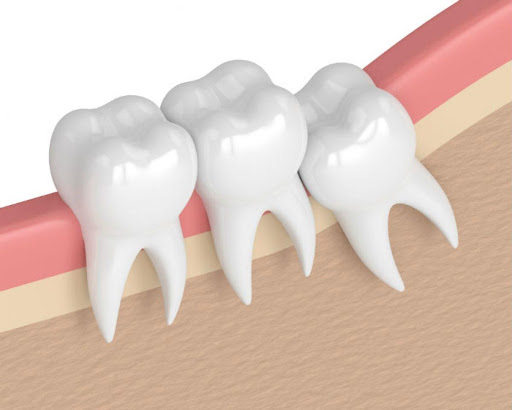
Wisdom teeth, also known as the third molars, are the teeth that are the last that develop within a human’s mouth. While they are helpful to some, they are often a source of trouble to others. Dental wisdom extractions are a suitable procedure that requires the removal of some or all of these teeth to ease discomfort, pain, and other dental concerns. Many people find that wisdom teeth create discomfort and pain as they grow. A dentist applying professional wisdom tooth extraction in Mississauga describes that the reason for this could be insufficient space within the mouth for teeth to expand, 犀利士
which leads to pressure on nearby gums and teeth. Furthermore, wisdom teeth could develop a weakened state, meaning they’re unable to come out of their gumline. It can lead to tooth decay, infection, and the destruction of adjacent teeth.
Wisdom tooth extraction is usually advised when teeth cause pain or discomfort, are infected, or have caused damage to nearby teeth or gum tissues. It is a relatively straightforward procedure typically carried out with local anesthesia. However, general or sedation may be utilized in certain instances.
Important Considerations for Wisdom Teeth Extraction
Below are some essential things to be aware of regarding the extraction of wisdom teeth:
- The reasons why an extraction may be necessary: The wisdom teeth might require removal when they cause discomfort or pain, have been impacted (meaning they’re unable to come out of the gum line fully), or cause injury to adjacent gums or teeth.
- The procedure: Wisdom tooth extraction is generally performed using local anesthesia. This procedure reduces pain in the re犀利士
gion around the tooth. Sometimes general or sedation could be employed to assist the patient in relaxing. During the procedure, a dental professional will create an incision into the gum tissue for them to access the tooth. Sometimes, they will require the removal of tissues from the bone to take out the tooth.

- Recovery: The time required to heal following a wisdom tooth extraction differs according to the person and the extent of the procedure. Patients may experience pain, swelling, and bleeding for the first few days after removal. Your dentist will offer guidelines on how to treat the area of extraction and ease pain throughout the healing process.
- The risks and complications: The risks of wisdom tooth extraction are typically highly safe, not without risk. A few potential risks and complications may arise, like nerve damage, infection, and excessive bleeding. Your dentist will be able to discuss the risks before the procedure.
- Alternatives: In certain instances, wisdom teeth do not require extraction when they do not cause any issues. The dentist might suggest checking the teeth periodically and other alternatives, including orthodontics, to open the mouth.
If you’re suffering from discomfort or pain associated with your wisdom teeth, then it is essential to speak with your dentist and determine if removal is needed. When taking care and paying focus, wisdom tooth removal could be a secure and efficient way to enhance the health of your mouth.
